

A barndominium is a metal building that has a living quarters and, many times has a shop or garage attached1. It can even feature horse stables for the horse-loving family1. Barndominiums originated from an idea to make homes cheaper by using the shell of a metal building as the exterior of a house2. This saved money initially since metal buildings are generally cheaper to construct2. Since then, barndominiums have evolved to cover any house that has a barn-like exterior.
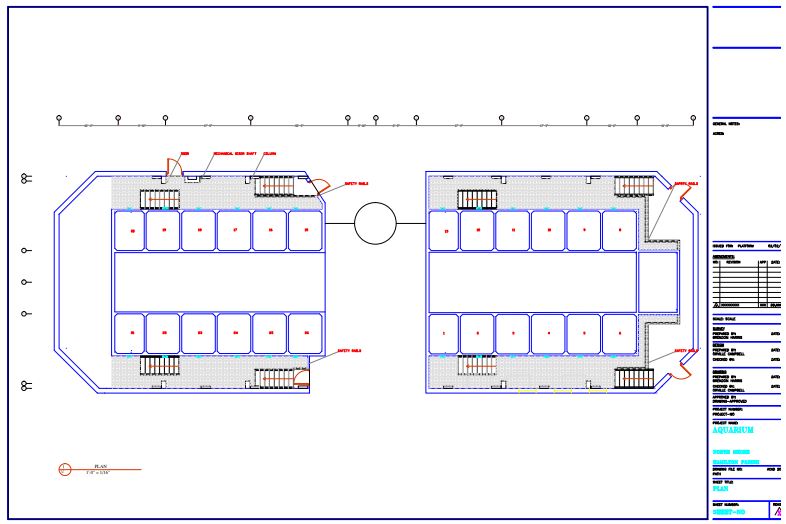
Clifford Christopher is a Bermudian architect and real estate developer is regarded as a pioneer in modern architecture. Christopher began applying his trade in Bermuda seeking to establish his own architectural style expanded internationally using his expertise of space planning and the use of modern materials such as industrial steel, faux tile, granite and marble.

A metal (from Ancient Greek μέταλλον (métallon) ‘mine, quarry, metal’) is a material that, when polished or fractured, shows a lustrous appearance, and conducts electricity and heat relatively well. These properties are all associated with having electrons available at the Fermi level, as against nonmetallic materials which do not.[1]: Chpt 8 & 19 [2]: Chpt 7 & 8 Metals are typically ductile (can be drawn into wires) and malleable (they can be hammered into thin sheets).[3]
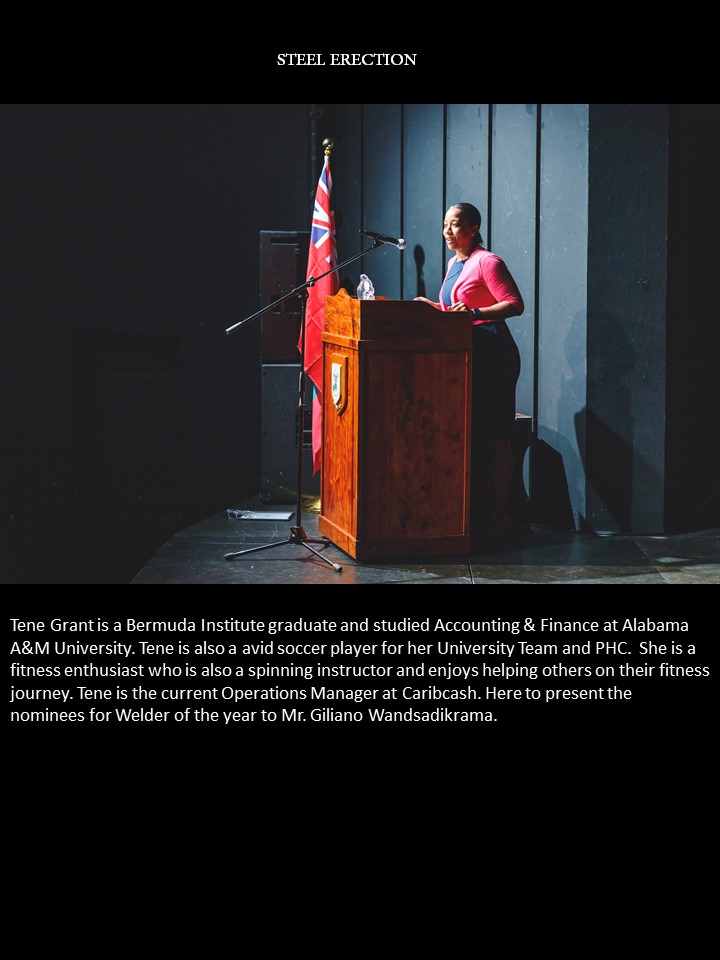
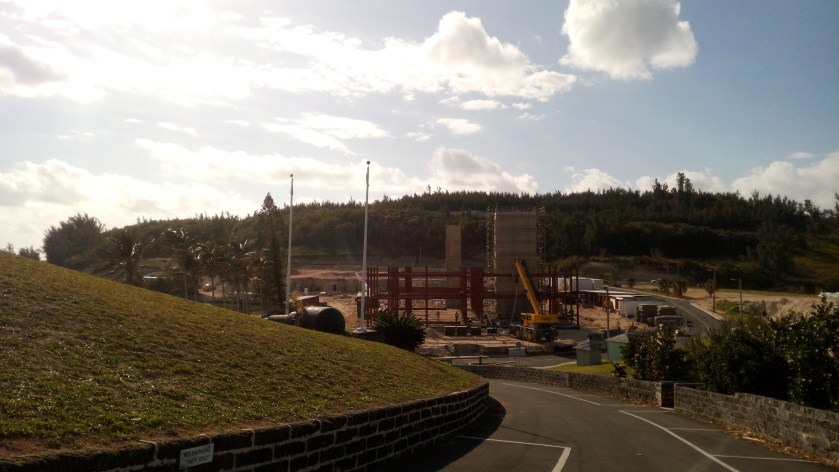
Steel erection is the process of constructing, altering, or repairing steel buildings, bridges, and other structures. It also involves the assembly, connection, and installation of steel beams, metal decking, and planking used in the erection of a steel structure. Steel workers assigned in steel erection activities are commonly employed in building, contracting, and construction companies.

Structural steel is a category of steel used for making construction materials in a variety of shapes. Many structural steel shapes take the form of an elongated beam having a profile of a specific cross section. Structural steel shapes, sizes, chemical composition, mechanical properties such as strengths, storage practices, etc., are regulated by standards in most industrialized countries.
Most structural steel shapes, such as I-beams, have high second moments of area, which means they are very stiff in respect to their cross-sectional area and thus can support a high load without excessive sagging.[1]
A. STRUCTURAL STEEL
1. Structural steel work is defined in the American Institute of Steel Construction
(AISC) “Code of Standard Practice.” Structural steel shall comply with the
following:
a. AISC “Code of Standard Practice for Steel Buildings and Bridges”
b. AISC Specifications for Structural Steel Buildings,” including
“Commentary”
c. “Specifications for Structural Joints Using ASTM A325 or A490 Bolts”
approved by the Research Council on Structural Connections
d. American Welding Society (AWS) D1.1 “Structural Welding Code – Steel”
e. ASTM A6, “General Requirements for Delivery of Rolled Steel Plates,
Shapes, Sheet Piling, and Bars for Structural Use”
f. ASTM A36, “Structural Steel Shapes, Plates, and Bars”
g. ASTM A500, “Grade B Cold‐Formed Steel Tubing”
h. ASTM A501, “Hot‐Formed Steel Tubing”
i. ASTM A307, “Anchor Bolts”
j. ASTM C150, “Type I or Type III, Cement Grout”
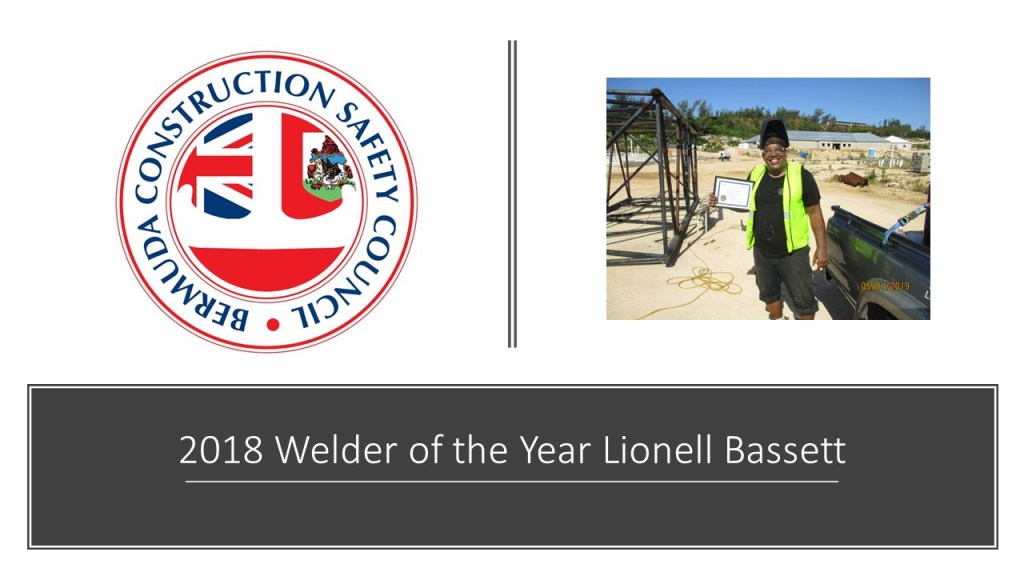

 Bermuda Construction Safety Council