
Division 09 Finishes is devoted to the basic interior building blocks of a construction project. From walls to paint and ceilings to floors, Division 09 includes the majority of common interior finishes. Interior finishes are described in a manner to provide information about their past usage, present usage, installation requirements and methods, and future advancements.
Drywallers put the finishing touches on our home and office interiors by installing and finishing sheetrock walls. Physical stamina is required to lift, cut, and maneuver heavy sheets of drywall and fix them in place. Finishing and sanding seams is also an ergonomic and physical challenge. Consider that this demanding work is often done on a construction site and at heights, and it is clear that drywallers need to think safety on the job.
Lifting and maneuvering tools and heavy, awkward sheets of drywall pose an ergonomic risk for drywallers. Maintaining good physical condition and using proper lifting techniques can reduce the chance of injury and strain. Working in pairs makes it easier to lift, position, and control sheetrock. Seam taping and sanding tools with spring-assisted or powered systems makes overhead finishing work easier by reducing the force that workers must apply. Completing work one task at a time (hanging, taping, finishing, etc.) may be efficient, but is harder on the body; completing one area at a time allows workers to rotate tasks and give muscles a break.
Because drywallers work at heights to install tall walls and ceilings, they need to use extra caution to prevent falls. Workers can use ladders if the work can be done safely from them, but they should follow ladder safety rules. Lean-to or jack scaffolds, shore scaffolds, nailed brackets, loose tile, loose brick, loose blocks, and other unstable objects cannot be used as working platforms or for their supports. Stilts should never be used due to their instability. Sturdy scaffolds or steps that are at least 20 inches wide provide safe, stable working platforms when installed and used correctly.
Dust is a hazard for drywallers at the beginning and end of every job. When sheetrock is cut, the gypsum dust that is released can be irritating to the eyes and lungs. Dust from dry mixing joint compound can be an irritant; pre-mixed compounds can reduce worker dust exposure. Sanding finished joints can also create a lot of dust.
Whenever job tasks may create dust, safety glasses and respirators or dust masks should be used to protect workers’ eyes and lungs. Proper ventilation on the jobsite can reduce dust in the air.
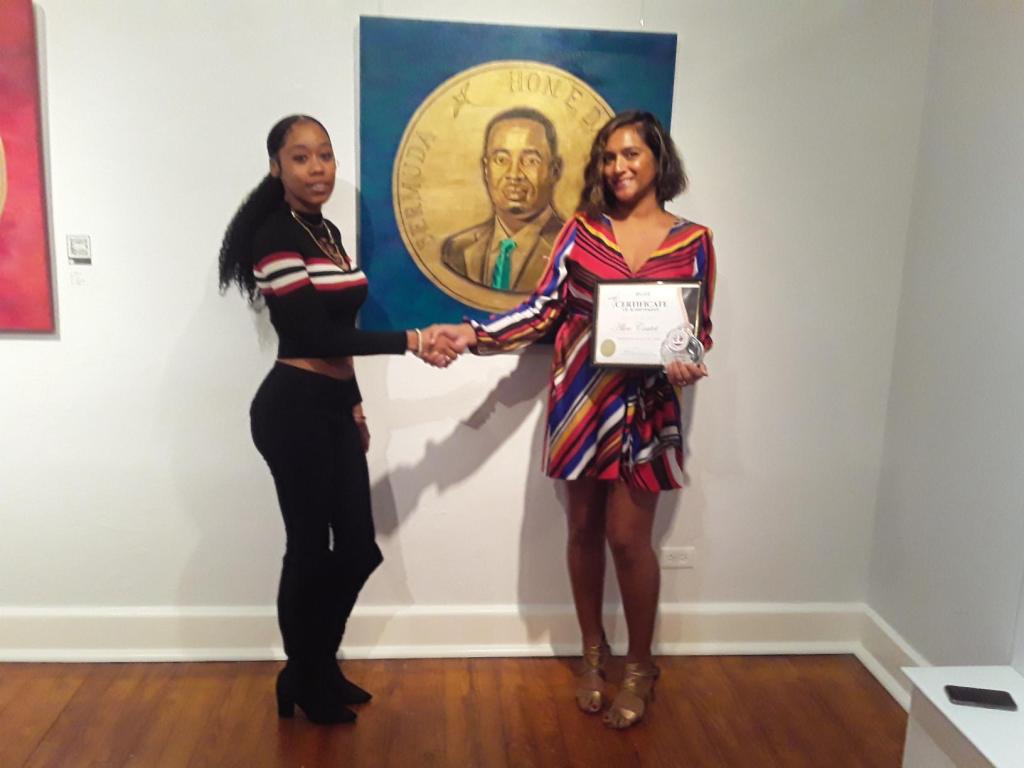
Paint is a material or mixture that, after applied to a solid material and allowed to dry, adds a film-like layer. As art, this is used to create an image, known as a painting. Paint can be made in many colors and types. Most paints are either oil-based or water-based, and each has distinct characteristics.
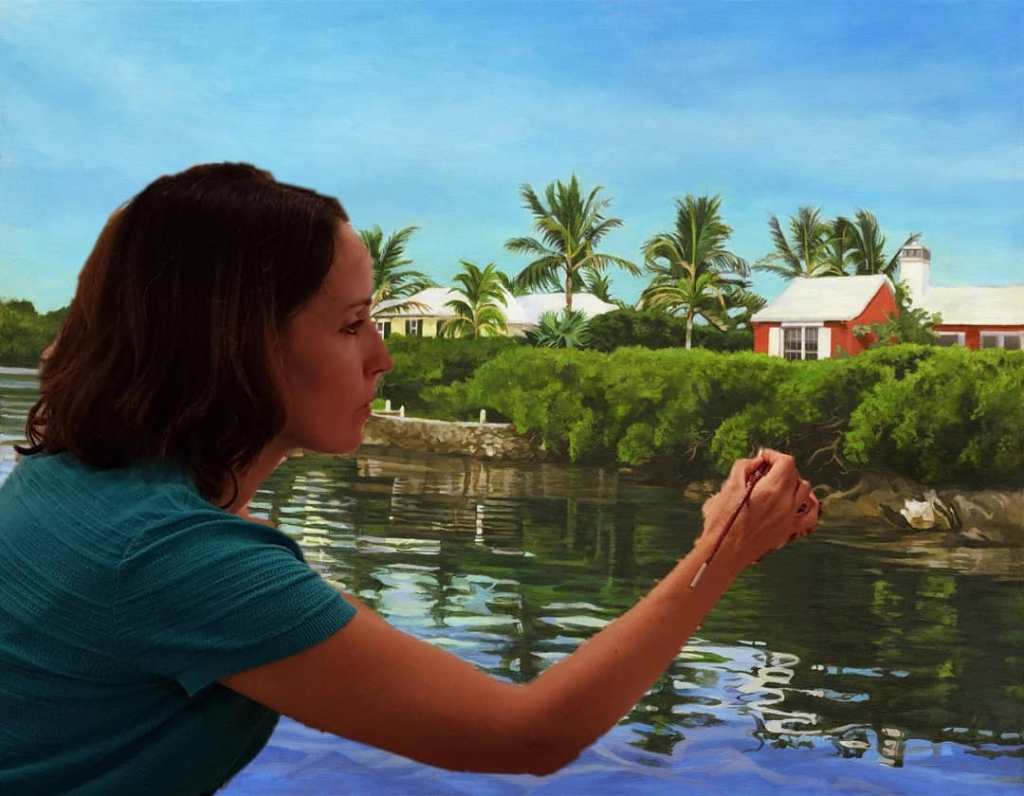
Paint was used in some of the earliest known human artworks. Some cave paintings drawn with red or yellow ochre, hematite, manganese oxide, and charcoal may have been made by early Homo sapiens as long as 40,000 years ago.[5] Paint may be even older. In 2003 and 2004, South African archeologists reported finds in Blombos Cave of a 100,000-year-old human-made ochre-based mixture that could have been used like paint.[6][7] Further excavation in the same cave resulted in the 2011 report of a complete toolkit for grinding pigments and making a primitive paint-like substance.[7][8]
- Flat Finish paint is generally used on ceilings or walls that are in bad shape. This finish is useful for hiding imperfections in walls and it is economical in effectively covering large areas. However, this finish is not easily washable and is subject to staining.
- Matte Finish is generally similar to flat finish, but such paints commonly offer superior washability and coverage. (See Gloss and matte paint.)
- Eggshell Finish has some sheen, supposedly like that of the shell on an egg. This finish provides great washability but is not very effective at hiding imperfections on walls and similar surfaces. The eggshell finish is valued for bathrooms because it is washable and water-repellent, so it tends not to peel in a wet environment.
- Pearl (Satin) Finish is very durable in terms of washability and resistance to moisture, even in comparison to an eggshell finish. It protects walls from dirt, moisture, and stains. Accordingly, it is exceptionally valuable for bathrooms, furniture, and kitchens, but it is shinier than eggshell, so it is even more prone to show imperfections. It has a soft, velvety appearance that is perfect for creating a luxurious feel in any room. Satin paint is also very durable and easy to clean, making it ideal for high-traffic areas like kitchens and bathrooms.[46]
- Semi-Gloss Finish typically is used on trim to emphasize detail and elegance, and to show off woodwork, such as on doors and furniture. It provides a shiny surface and provides good protection from moisture and stains on walls. Its gloss does however emphasize imperfections on the walls and similar surfaces. It is popular in schools and factories where washability and durability are the main considerations.[47]
- High-gloss paint is a highly glossy form of paint that is light reflecting and has a mirror-like look. It pairs well with other finishes. While it is highly durable and easy to clean, high gloss paint is known for obvious visibility of imperfections like scratches and dents.[48]
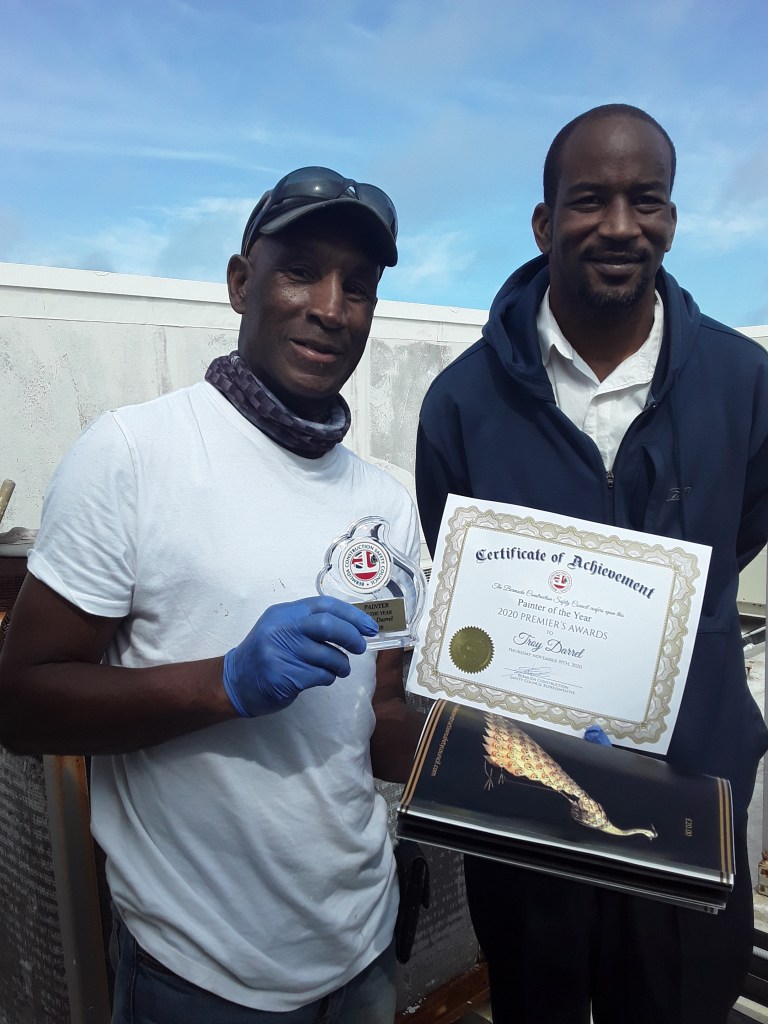
Since the time of the Renaissance, siccative (drying) oil paints, primarily linseed oil, have been the most commonly used kind of paints in fine art applications; oil paint is still common today. However, in the 20th century, new water-borne paints such acrylic paints, entered the market with the development of acrylic and other latex paints. Milk paints (also called casein), where the medium is derived from the natural emulsion that is milk, were common in the 19th century and are still used. Used by the earliest western artists, Egg tempera (where the medium is an emulsion of raw egg yolk mixed with oil) remains in use as well, as are encaustic wax-based paints. Gouache is an opaque variant of watercolor, which is based around varying levels of translucency; both paints use gum arabic as the binder and water as a thinner. Gouache is also known as ‘designer color’ or ‘body color’.
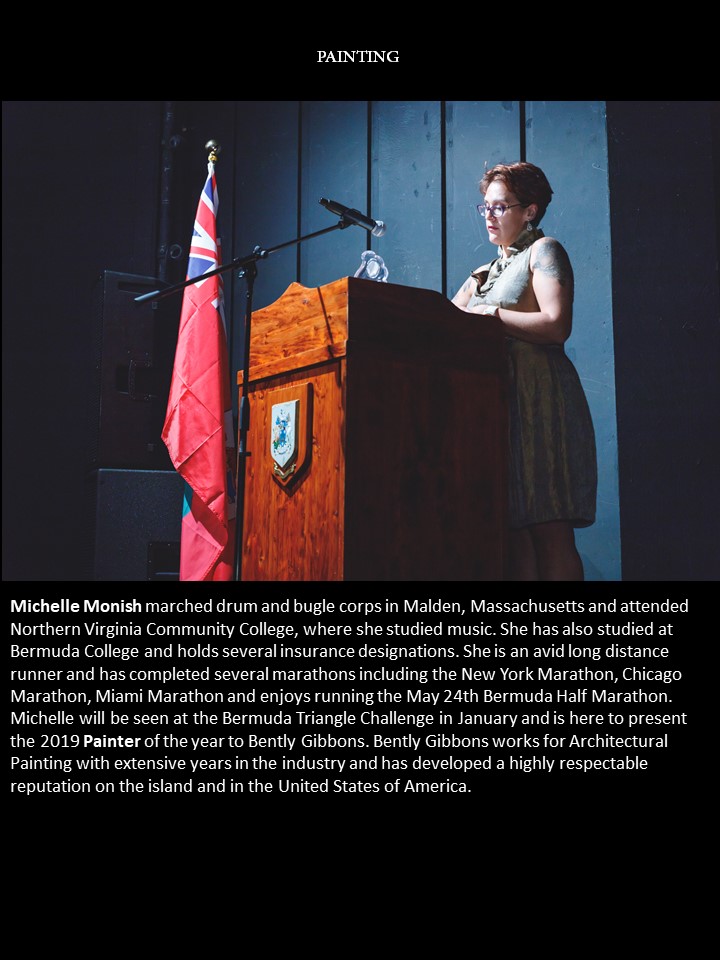
Volatile organic compounds (VOCs) in paint are considered harmful to the environment and especially for people who work with them on a regular basis. Exposure to VOCs has been related to organic solvent syndrome, although this relation has been somewhat controversial.[52] The controversial solvent 2-butoxyethanol is also used in paint production.[53] Jurisdictions such as Canada, China, the EU, India, the United States, and South Korea have definitions for VOCs in place, along with regulations to limit the use of VOCs in consumer products such as paint.[54][55]
By the proper onset of the Industrial Revolution, in the mid-18th century, paint was being ground in steam-powered mills, and an alternative to lead-based pigments had been found in a white derivative of zinc oxide. Interior house painting increasingly became the norm as the 19th century progressed, both for decorative reasons and because the paint was effective in preventing the walls rotting from damp. Linseed oil was also increasingly used as an inexpensive binder.
In 1866, Sherwin-Williams in the United States opened as a large paint-maker and invented a paint that could be used from the tin without preparation.
It was only when the stimulus of World War II created a shortage of linseed oil in the supply market that artificial resins, or alkyds, were invented. Cheap and easy to make, they held the color well and lasted for a long time.[15]

Travertine Tile is transported to Bermuda from Turkey. Travertine is a form of limestone deposited by mineral springs, especially hot springs. Travertine often has a fibrous or concentric appearance and exists in white, tan, cream-colored, and even rusty varieties. It is formed by a process of rapid precipitation of calcium carbonate, often at the mouth of a hot spring or in a limestone cave. In the latter, it can form stalactites, stalagmites, and other speleothems. It is frequently used in Italy and elsewhere as a building material.
All tilers to wear Personal Protective Equipment: Safety hat, glasses, vest, pants and boots. When working on elevations fall protection is required. When handling materials Kevlar gloves provide additional hand protection. Limited access zones are to be established to provide traffic control. Workers exposed to chemicals may require ventilation to help air circulation. Knee pads are a good way to prevent knee injuries associated with tile installation. Only use operator’s instructions when using power tools. All electrical tool and equipment are to have GFCI requirements. Physical conditions are to be controlled by muscular warm up and stretches. Environmental conditions are to be controlled with shade and drinking water.
2. Waterproofing
This specification describes the application of a waterproofing, slip resistant, wearing surface using a low modulus epoxy binder and selected aggregate.


 Bermuda Construction Safety Council